Overview
Understanding Muriate of Potash (MOP)
Muriate of potash is the common trade name for potassium chloride, a concentrated and widely used potassium fertilizer. Potassium supports water regulation, enzyme activity and movement of carbohydrates within plants. MOP is suitable for many crops, but its chloride content means crop sensitivity, soil salinity and irrigation-water quality should be reviewed before selection.
Wana Ventures presents this information as general product guidance. The quoted source, nutrient analysis, particle size, treatment, colour and other physical or chemical characteristics are confirmed for the specific enquiry. Buyers should review the final documentation and ensure the selected material is appropriate for local regulations and intended agricultural use.
Key characteristics
What to consider
Nutrient role
Concentrated potash source supports efficient transport and field application.
Field handling
Potassium contributes to water regulation and general stress tolerance.
Programme fit
Supports crop quality processes when used in a balanced nutrient plan.
Supply flexibility
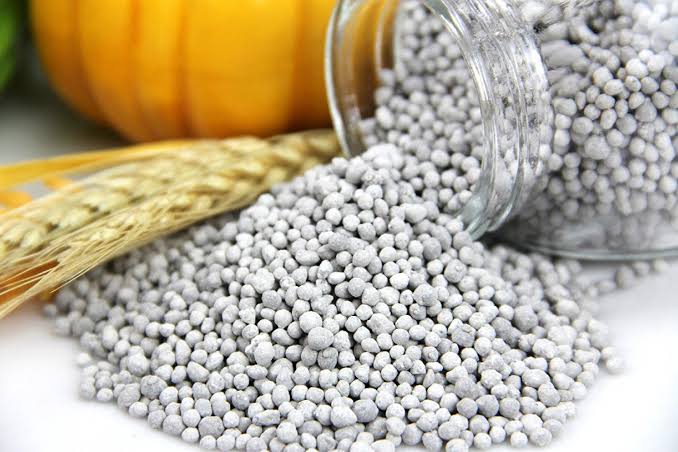
Granular form is suitable for direct application or compatible blending.
Typical applications
Where this grade may fit
Maize, cereals and many field crops where potassium is required.
Pasture and forage programmes based on measured soil potassium levels.
Basal fertilizer blends designed around soil and crop requirements.
Non-chloride-sensitive crops under appropriate salinity management.
Fertilizer choice and rate should be based on soil analysis, crop requirement, expected yield, climate and local practice. Confirm the programme with a qualified agronomist; this page is not a crop-specific recommendation.
Packaging & handling
Options coordinated for your order
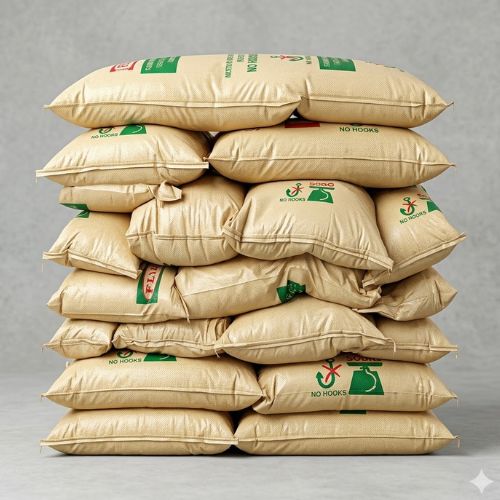
Muriate of Potash (MOP) enquiries can be discussed in 50 kg bags, 1-ton bags (jumbo bags) or bulk. Availability, specifications, packaging configuration, minimum or maximum order quantities and delivery arrangements are subject to confirmation during quotation.
Keep fertilizer dry, covered and separated from moisture, heat, incompatible materials, food and animal feed. Use suitable protective equipment, follow the supplier safety data sheet and local rules, and maintain orderly stock rotation. Do not store fertilizer where runoff could enter drains or waterways. Specific transport and storage requirements depend on the confirmed product and documentation.
Continue exploring